Excellence is in here
Most improvement work lasts about a year. Then it slips back. The Shingo Prize is built on a different idea. When good habits are part of the daily work, the gains stay. See how it works on a live site.
Sign up for the next workshopThe best next step is to see it for yourself. Watch the Shingo approach work on a real factory floor. Each workshop runs at a live site that already does this well.
Pick a date and save your place on the S A Partners events page.
Sign up for the next workshopNo cost to register your interest. New dates are added through the year.
Two minutes
Five quick questions about how improvement runs in your operation today. You will get an honest read on whether your gains will hold, plus the Shingo principle that fits you.
Question 1 of 5
When an improvement project ends, what usually happens to the gains?
Question 2 of 5
Who drives improvement day to day on the floor?
Question 3 of 5
When the same problem comes back, what tends to happen?
Question 4 of 5
How clearly does daily work on the floor connect to the goals at the top?
Question 5 of 5
If your best improvement leaders left tomorrow, what would happen?
Put your own numbers in
Here is a rough, honest guess. Set your revenue. Then set how much of a hard won gain tends to slip back in a year. This is the value you lose when gains are bolted on instead of built in.
Move the sliders to match your case. The number updates as you go.
A small, safe slice of the 25 to 30 percent that good improvement work is worth.
That is value you already earned, leaking back out because the gains were not built into the daily work.
See how to hold itFor discussion only. It takes your revenue, times the value at risk, times the share that slips back. It is not a forecast or a promise of results.
What it is
The Shingo Prize is the top award in operational excellence. It is named after the Japanese thinking that built Toyota. It is given by the Shingo Institute at Utah State University.
Here is what makes it different. It does not reward a one time win. It checks whether good work is part of how you run every day. That way the gains hold and do not slip. Almost no programme teaches this part. We do, and we coach it.
Why gains slip back
Improvement fades for one simple reason. The tools go in, but leaders run the floor the same way as before. So under pressure, the old habits come back. The Shingo approach fixes the part below the tools. Then improvement holds on its own.
The same problem stops coming back. Once it is fixed in the daily routine, it stays fixed.
Results hold across sites and shifts. They do not drift back next quarter.
Teams keep improving on their own. They do not need a project team to push them, because the thinking is built in.
See the difference
Two factories can use the same tools and get opposite results. The difference is simple. Do the good habits live in the daily work, or sit on top of it? Flip between the two to see what the Shingo check is really looking for.
The tools go in and the numbers move for a while. Then the project team moves on. Attention drops. Under pressure, people go back to the old way.
The same tools are there. But the daily way leaders run the floor has changed. Improving is just part of the routine. So the gains stay long after the project ends.
It looks past tools and results, at three things. Tap each one to see what it means for you.
Whether respect and growth are real daily habits, not just slogans.
The people closest to the work are the ones who improve it. This asks a simple question. Do leaders really help their teams grow? And does everyone feel safe to raise problems? Without this, improvement stays top down and stops the moment leaders look away.
Tap to learn more
Whether problems are fixed at the root, by the people doing the work, every day.
This is where most programmes start and stop. Shingo looks for improvement built into the daily routine. Problems get traced to the cause, not just patched. When it is real, the floor keeps getting better with no project team standing over it.
Tap to learn more
Whether the daily work on the floor links to what the business wants to achieve.
Effort only adds up when everyone pulls the same way. This checks that the goals at the top turn into clear priorities on the floor. That way, small local wins add up to results the whole business can feel.
Tap to learn more
The evidence
This is not just our view. The research is clear on what makes operational gains last. Here is what it shows.
of big change programmes fall short of their goals. Often the gains are not kept once the project ends.
McKinsey & Company; BCG
more likely to keep the gains when teams improve every day, instead of running it as a one off project.
McKinsey Global Survey
more likely to hold gains for more than three years when leaders keep up the daily habits and keep improving.
McKinsey transformation research
average gain in productivity over three years when lean is done well. This is the prize you lose each year it slips back.
Lean Enterprise Institute
Slipping back is the normal result. Most improvement work falls short. The usual reason is that gains are not held once the project team moves on. The hard part was never making the number move. The hard part is keeping it there.
Daily habits turn the odds, not more tools. The same research shows two things. Teams that improve every day are twice as likely to keep their gains. And when leaders keep up that habit, they are 3.4 times more likely to hold gains for three years. This is exactly what the Shingo approach builds.
The money at stake is real, and it comes back every year. Poor quality alone costs many manufacturers 15 to 20 percent of sales. And good improvement work is worth a 25 to 30 percent gain in productivity. Every year the gains drift back, that value leaks out.
Cost of poor quality range: American Society for Quality
So building it in is the smart choice, not the soft one. The Shingo approach is the proven way to keep the gains you already worked hard for. That is why we teach it on a live floor, not in a classroom.
Why it is live and on-site
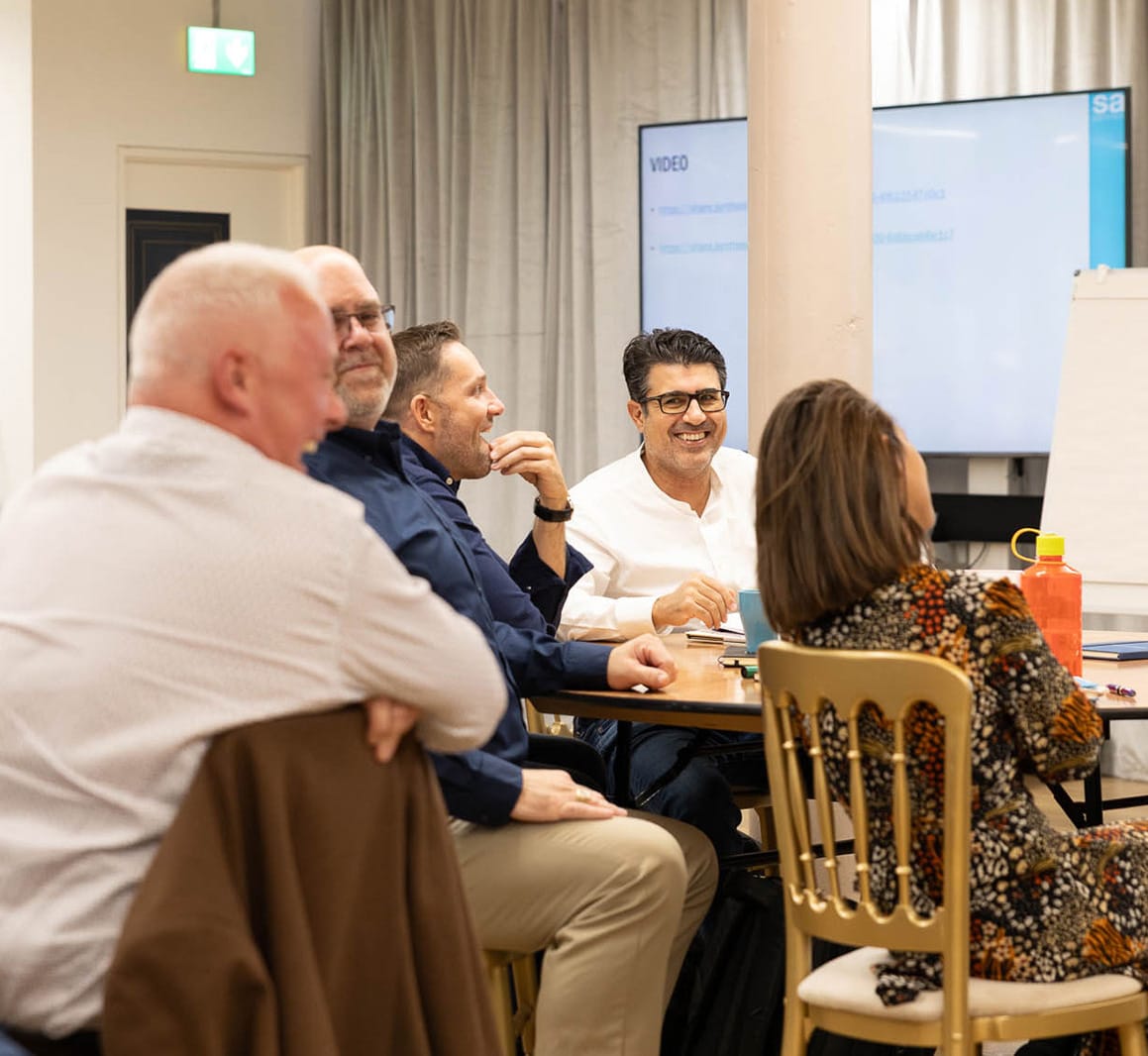
The whole point of Shingo is whether good work holds day to day. You can only judge that by watching a real floor run. A slide deck will not show you. That is why the workshop is held at a live site that already does this work.
You can’t learn excellence in theory. You have to practice it.
On a live site you see the daily routines in action. You watch how leaders run the day. And you learn to tell the difference between good work that is built in and good work that is just installed.
Sign up for the next workshopHow we work
We work alongside your leaders and teams, from the boardroom to the shop floor, using proven frameworks and the experience of operators who have done the work.
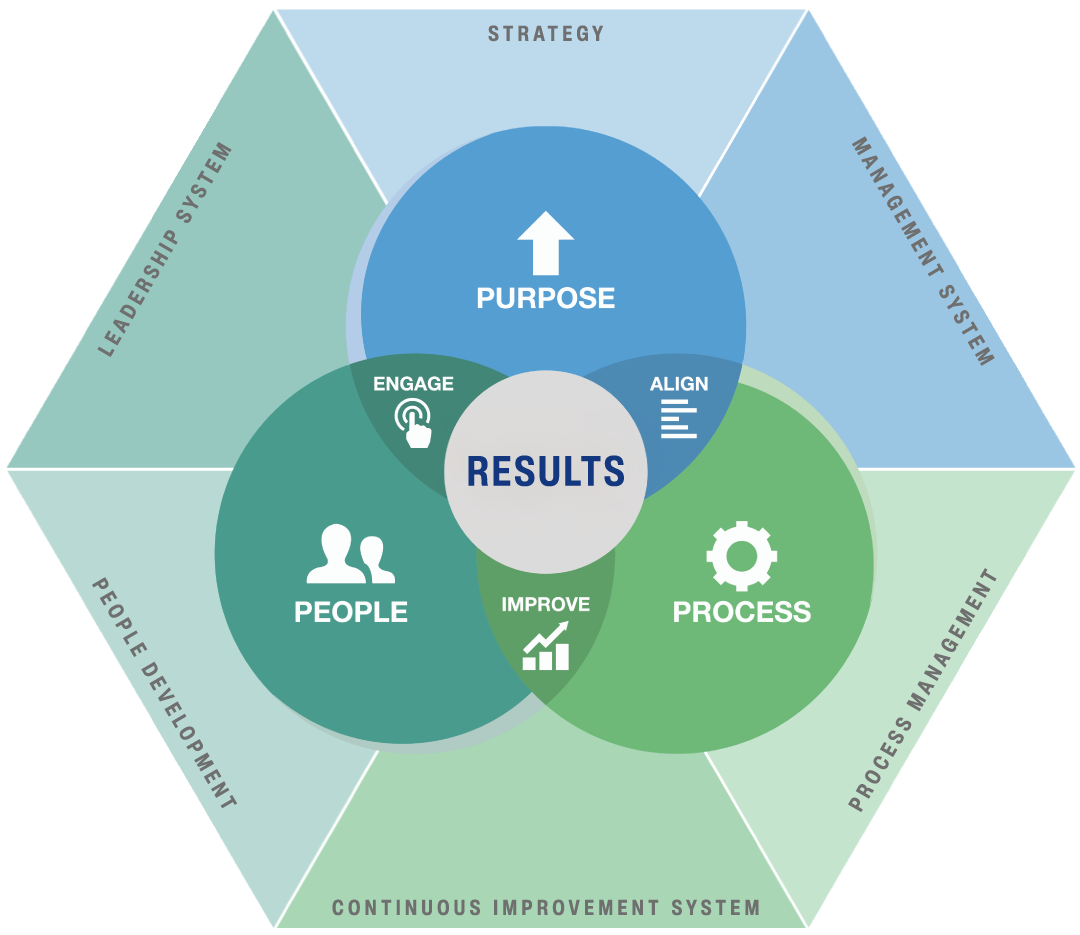
Different industries, different goals, the same pursuit of excellence.









The simplest next step is to watch the Shingo approach in practice on a live site. Sign up for the next workshop and we will share the dates.
Sign up for the next workshop